Program Summary
Duration
5 Years
Accreditor
-
National Institute for Health Specialties
Capacity
3
Training Sites
About the Program
The Anatomic and Clinical Pathology Residency Program is a five-year, competency-based graduate medical education program established to prepare physicians for independent specialist practice in pathology and laboratory medicine. The program provides broad, balanced and progressively supervised training across the full diagnostic pathway: from specimen receipt, pre-analytical quality and laboratory workflow to morphologic interpretation, clinical laboratory consultation, reporting, multidisciplinary communication, quality improvement and laboratory leadership.
Residents train across Dubai Health’s facilities, gaining exposure to diverse patient populations, high-volume hospital pathology practice, subspecialty diagnostic services and integrated laboratory systems. The curriculum includes 24 months of core Anatomic Pathology and 24 months of core Clinical Pathology training, complemented by structured subspecialty rotations, research, quality improvement, informatics, laboratory management and progressive senior responsibility.
Core Anatomic Pathology training includes surgical pathology, cytopathology and autopsy and forensic medicine. Core Clinical Pathology training includes hematopathology, transfusion medicine, clinical chemistry and immunology, clinical microbiology, molecular pathology, flow cytometry, laboratory management and informatics.
The program emphasizes diagnostic skills, patient safety, professional conduct, evidence-based practice, interprofessional collaboration, academic development and readiness for consultant-level practice.
Key Features
-
- Integrated AP/CP training model with continuous exposure to anatomic and clinical pathology throughout residency.
- Competency-based curriculum aligned with NIHS requirements and mapped to ACGME core competencies and CanMEDS-style professional roles.
- Progressive responsibility from closely supervised junior training to senior consultative, leadership and near-independent practice.
- Broad multisite training across hospital laboratories, specialized Anatomic pathology services, transfusion medicine, microbiology, clinical chemistry and immunology, hematopathology, molecular diagnostics and laboratory management.
- Structured assessment using faculty evaluations, direct observation, case-based discussion, DOPS/Mini-CEX where applicable, multisource feedback, portfolio review, case logs, scholarly activity and CCC review.
- Strong focus on quality systems, accreditation, patient safety, laboratory utilization, digital tools and service improvement.
Program Director Message
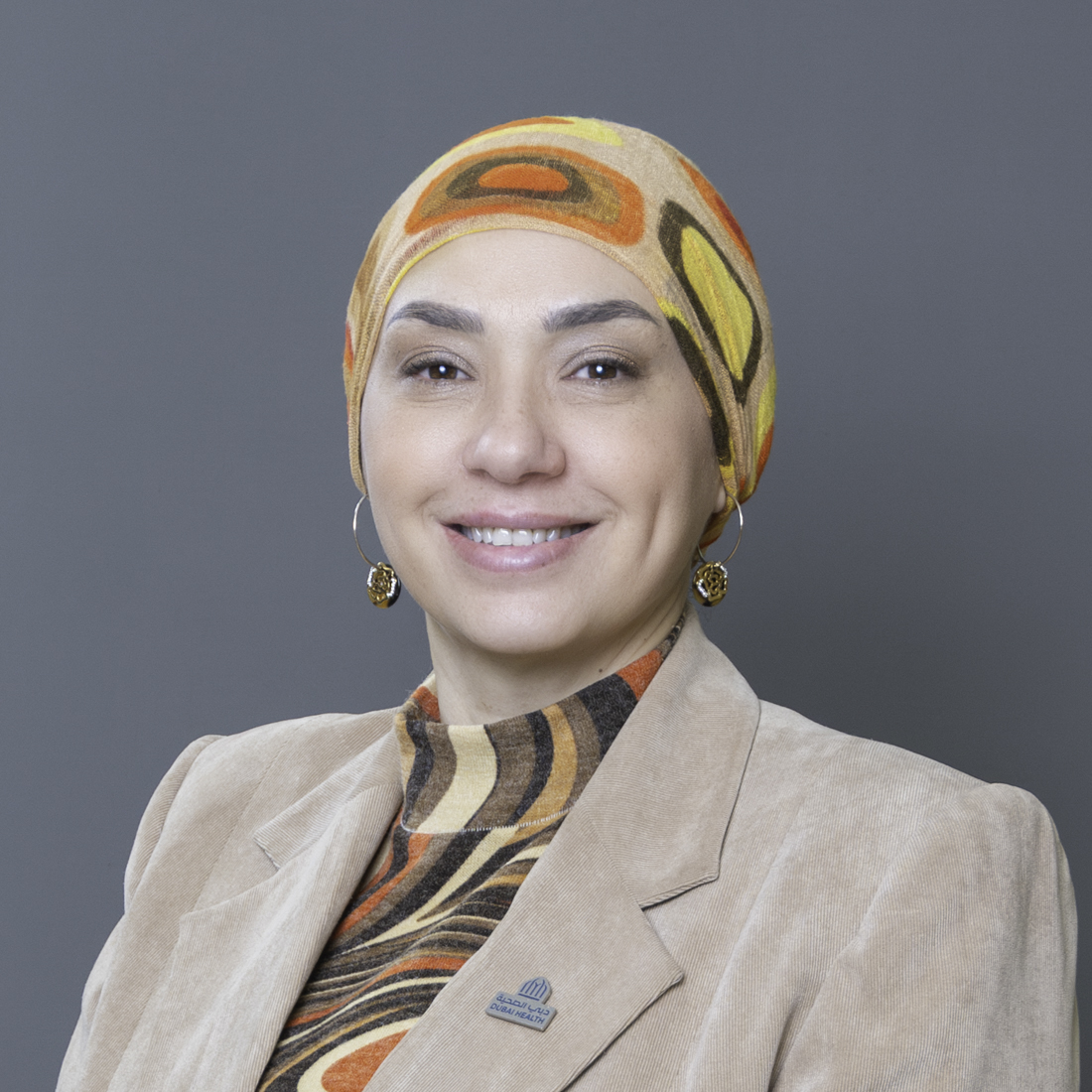
Dear Residents,
Welcome to the Anatomic and Clinical Pathology Residency Program. We are pleased to welcome you to a training program that is designed to provide you with a comprehensive and rigorous educational experience in the full scope of pathology and laboratory medicine practice. This program has been carefully developed to prepare you for independent practice as competent, professional, and clinically relevant pathologists who will contribute meaningfully to patient care, laboratory excellence, and the advancement of healthcare.
Pathology and laboratory medicine is a unique and essential medical specialty that serves as a cornerstone of modern medicine. Through your training, you will develop the diagnostic, analytical, consultative, and leadership skills necessary to function effectively across both anatomic and clinical pathology disciplines. You will be exposed to a broad range of clinical experiences, laboratory systems, and multidisciplinary interactions that will support your development as a future specialist and leader in the field.
Our program is committed to maintaining a learning environment that promotes excellence, professionalism, patient safety, collaboration, and continuous improvement. We are equally committed to supporting your growth, well-being, and scholarly development throughout your training journey.
Residency is a demanding but deeply rewarding stage of professional development. We encourage you to approach it with curiosity, discipline, humility, and a commitment to lifelong learning.
We look forward to supporting you throughout your training and to witnessing your development into highly capable pathologists who will serve patients, laboratories, and healthcare systems with distinction.
Best regards,
Dr. Rania Medhat Seliem
- Consultant Hematopathologist and Head of Rashid Hospital Laboratories
- Division Chief Hematopathology
- Clinical Associate Professor, MBRU
- Program Director, Anatomic and Clinical Pathology Residency Program
Curriculum
| JUNIOR LEVEL ROTATIONS | |
|---|---|
| Surgical Pathology | Foundational grossing, microscopy, specimen handling, reporting and clinicopathologic correlation. |
| Clinical Chemistry and Immunology | Interpretation of chemical pathology, immunology, quality control and laboratory consultation. |
| Hematopathology | Morphology, bone marrow/peripheral blood interpretation, coagulation exposure and integrated diagnostic reasoning. |
| Transfusion Medicine and Blood Bank | Component therapy, compatibility testing, transfusion reactions, hemovigilance and urgent blood support. |
| Clinical Microbiology | Bacteriology, mycology, virology/parasitology exposure, antimicrobial stewardship and laboratory clinical consultation. |
| Cytopathology | Gynecologic and non-gynecologic cytology, adequacy assessment, FNA exposure and correlation with histology. |
| Autopsy/Forensic Medicine | Principles of postmortem examination, clinicopathologic correlation and medico-legal awareness through approved training pathways. |
| Molecular Pathology and Flow Cytometry | Introductory exposure to molecular diagnostics, flow cytometry workflow, panel design principles and integrated interpretation. |
| Clinical Laboratory Management | Introductory exposure to quality systems, accreditation, safety, workflow, utilization and laboratory leadership. |
| Research | Early development of scholarly activity, research question formulation, ethics submission and data collection where applicable. |
| SENIOR LEVEL ROTATIONS – R3 to R5 | |
|---|---|
| Advanced Surgical Pathology and Subspecialty AP | Progressive diagnostic responsibility with organ-based and subspecialty exposure. |
| Advanced Cytopathology | Senior interpretation, correlation, adequacy assessment and multidisciplinary communication. |
| Pediatric Pathology, Dermatopathology, Neuropathology and Renal Pathology | Focused subspecialty rotations to broaden diagnostic breadth. |
| Advanced Hematopathology | Integrated diagnosis of hematologic and lymphoid disorders with ancillary testing correlation. |
| Molecular Pathology and Flow Cytometry | Advanced exposure to molecular diagnostics, workflow, panel interpretations and integrated interpretation. |
| Advanced Clinical Chemistry, Immunology, Microbiology and Transfusion Medicine | Consultative CP practice across high-acuity, adult, pediatric and specialized services. |
| Informatics and Digital/Data-Aware Practice | Laboratory information systems, data quality, digital workflows and use of emerging technologies. |
| Clinical Laboratory Management and Quality Leadership | Accreditation, patient safety, test utilization, validation/verification, risk management and systems leadership. |
| Subspecialty Rotations/Elective Development | Individualized advanced AP or CP training aligned with resident career goals and institutional needs. |
| Research and Scholarly Activity | Completion of research/QI projects, presentation, manuscript preparation and teaching portfolio development. |
| Senior Responsibility/Transition to Practice | Near-independent work under consultant oversight, board readiness, teaching of junior learners and preparation for consultant-level practice. |
Faculty

Dr. Rania Medhat
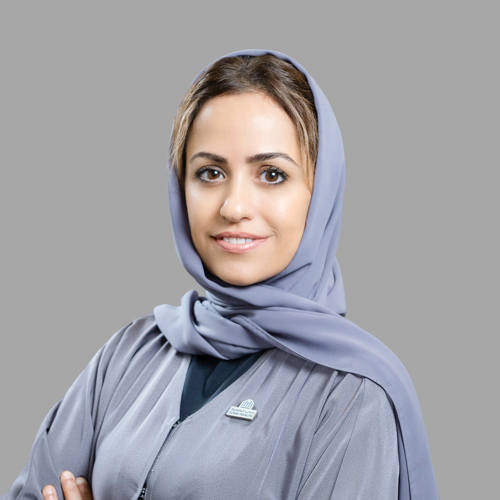
Dr. Manal Mohammed

Dr. Adnan Alatoom
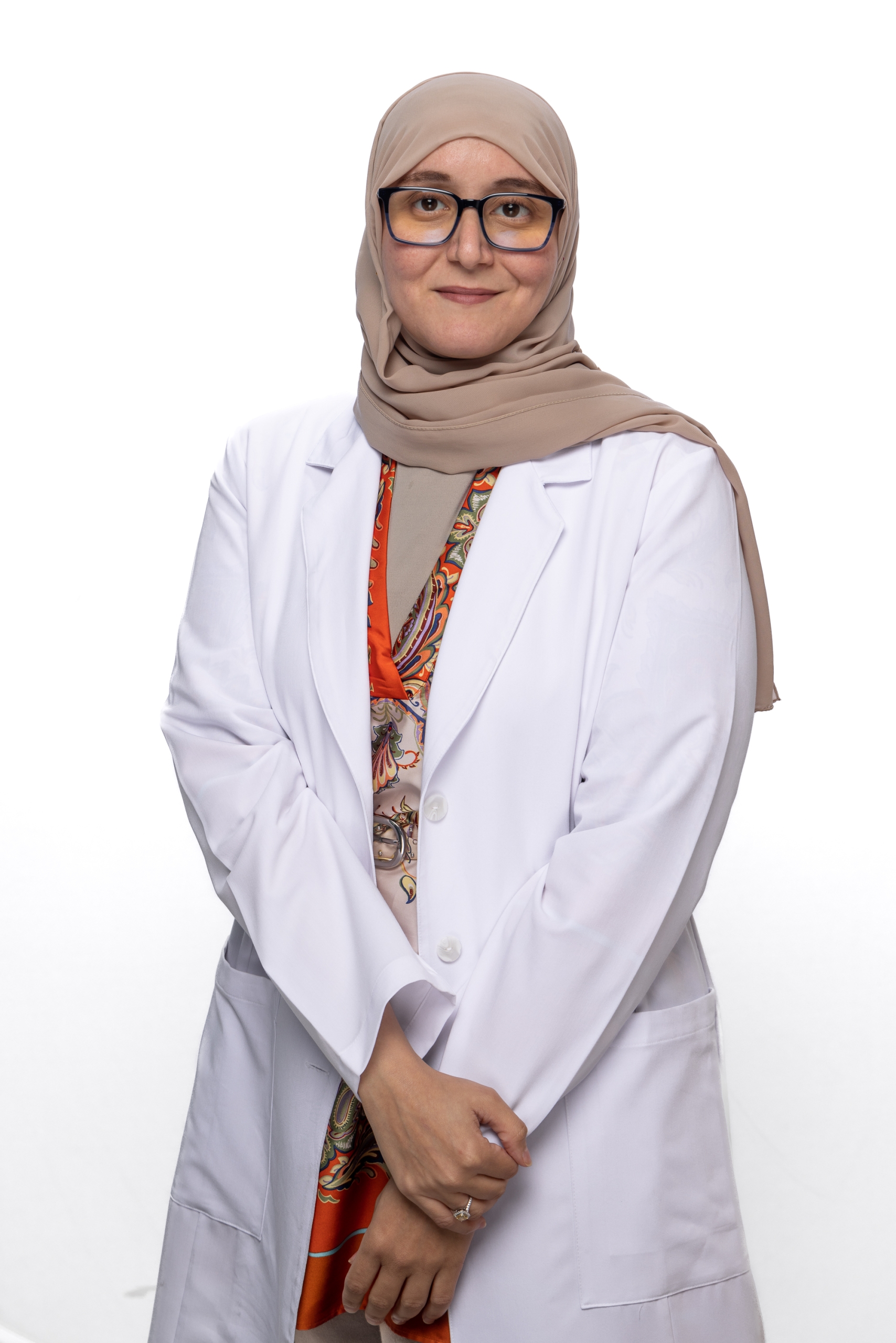
Dr. Zakaa Noori